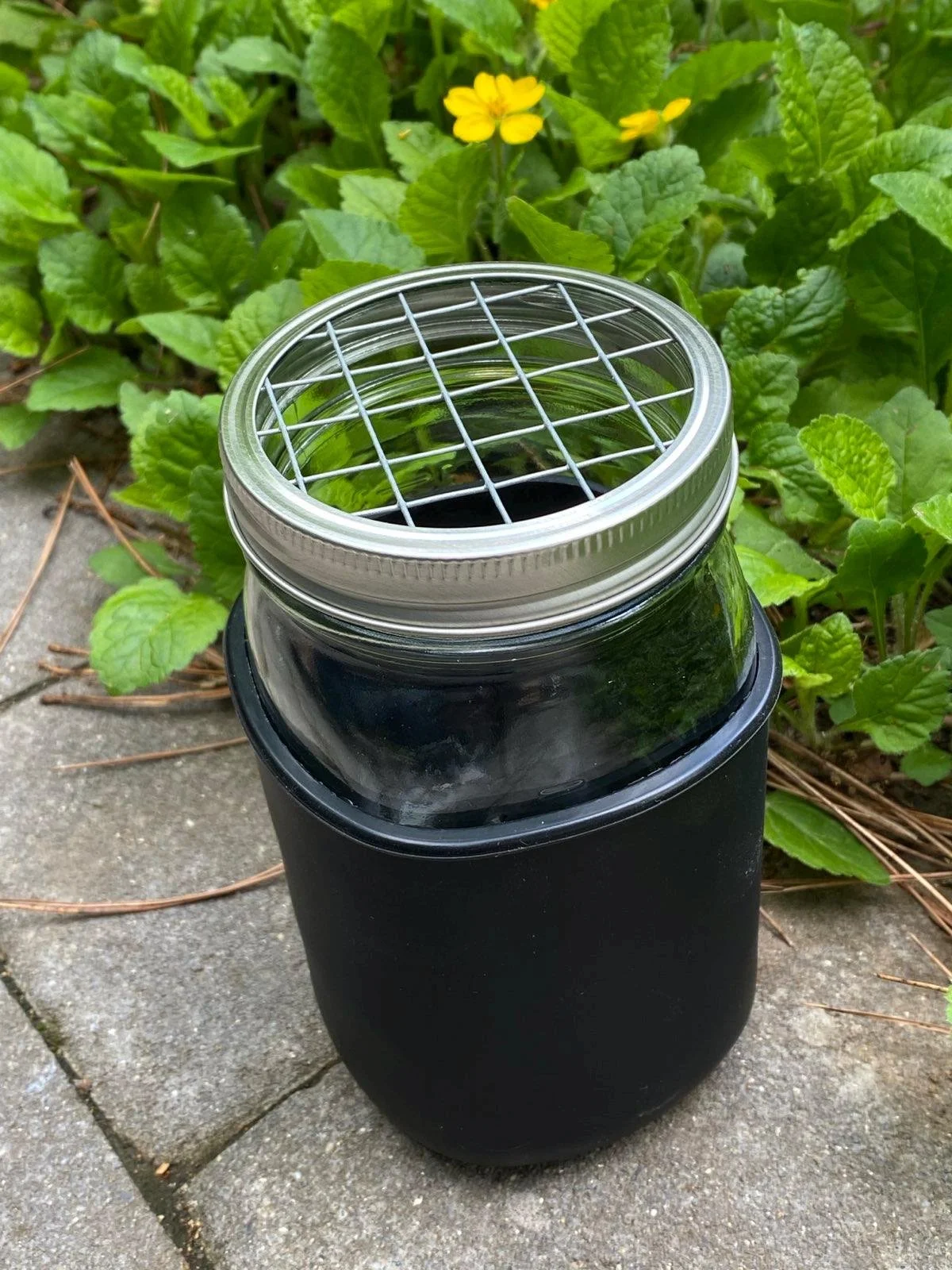
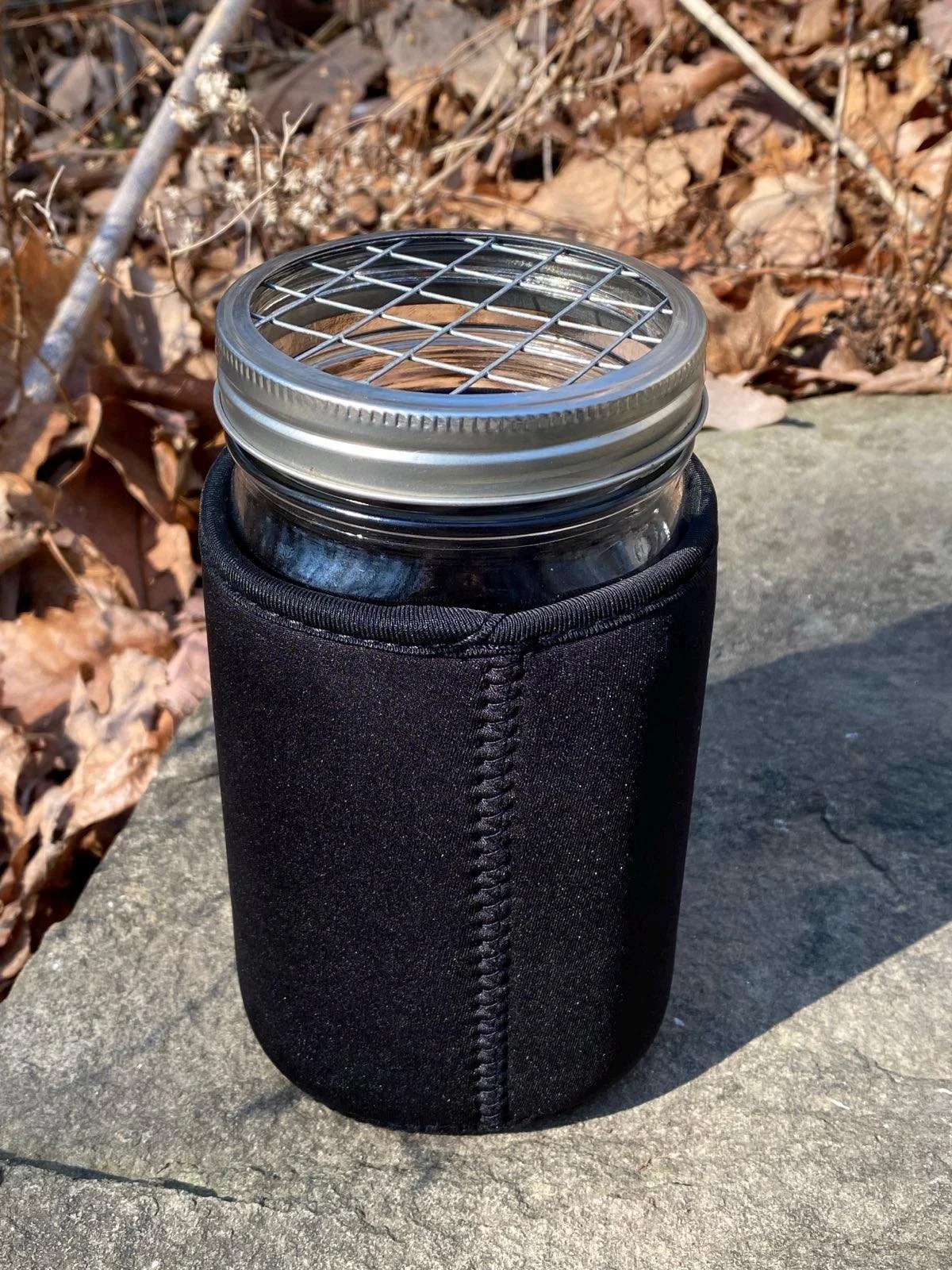
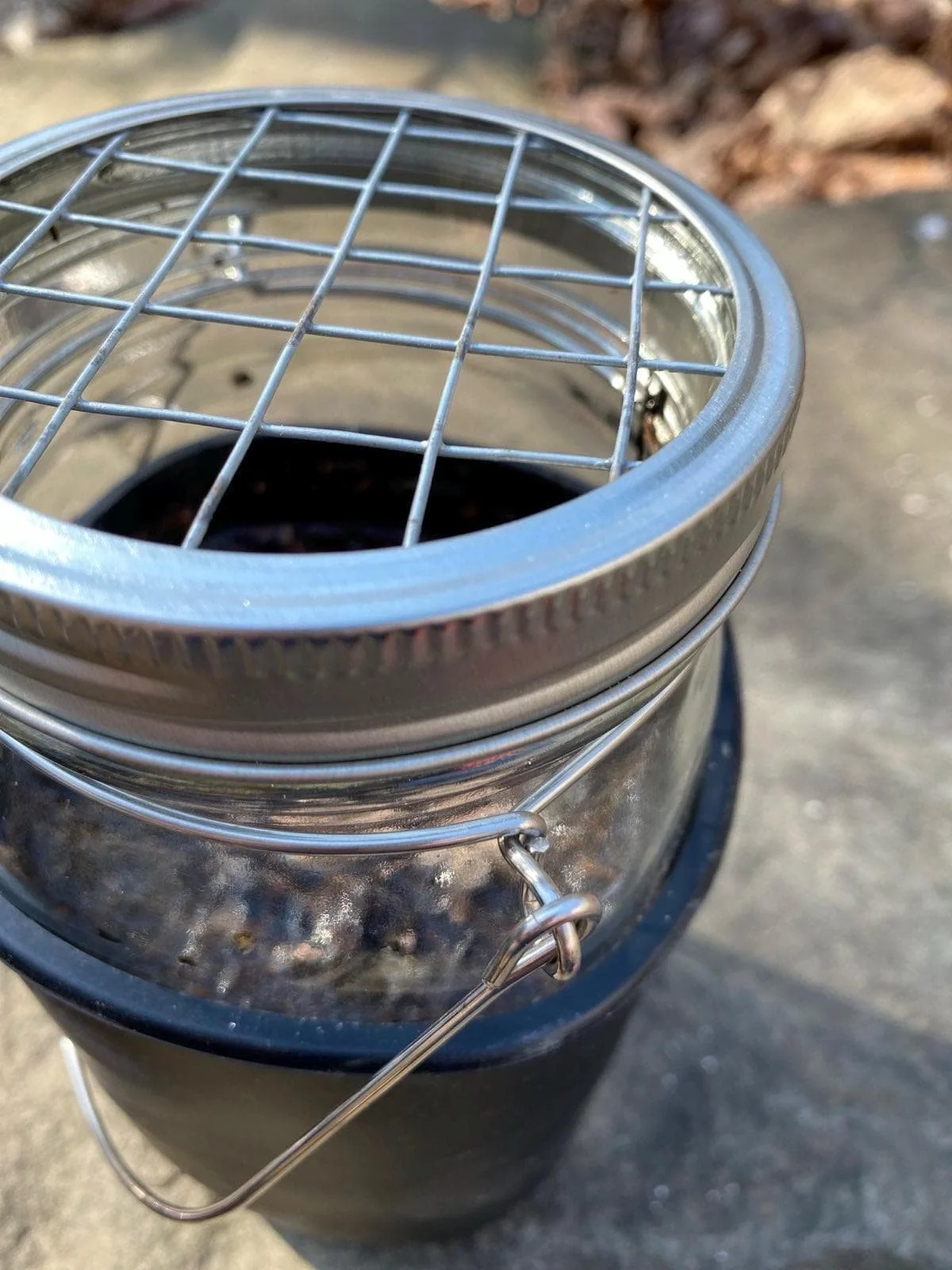
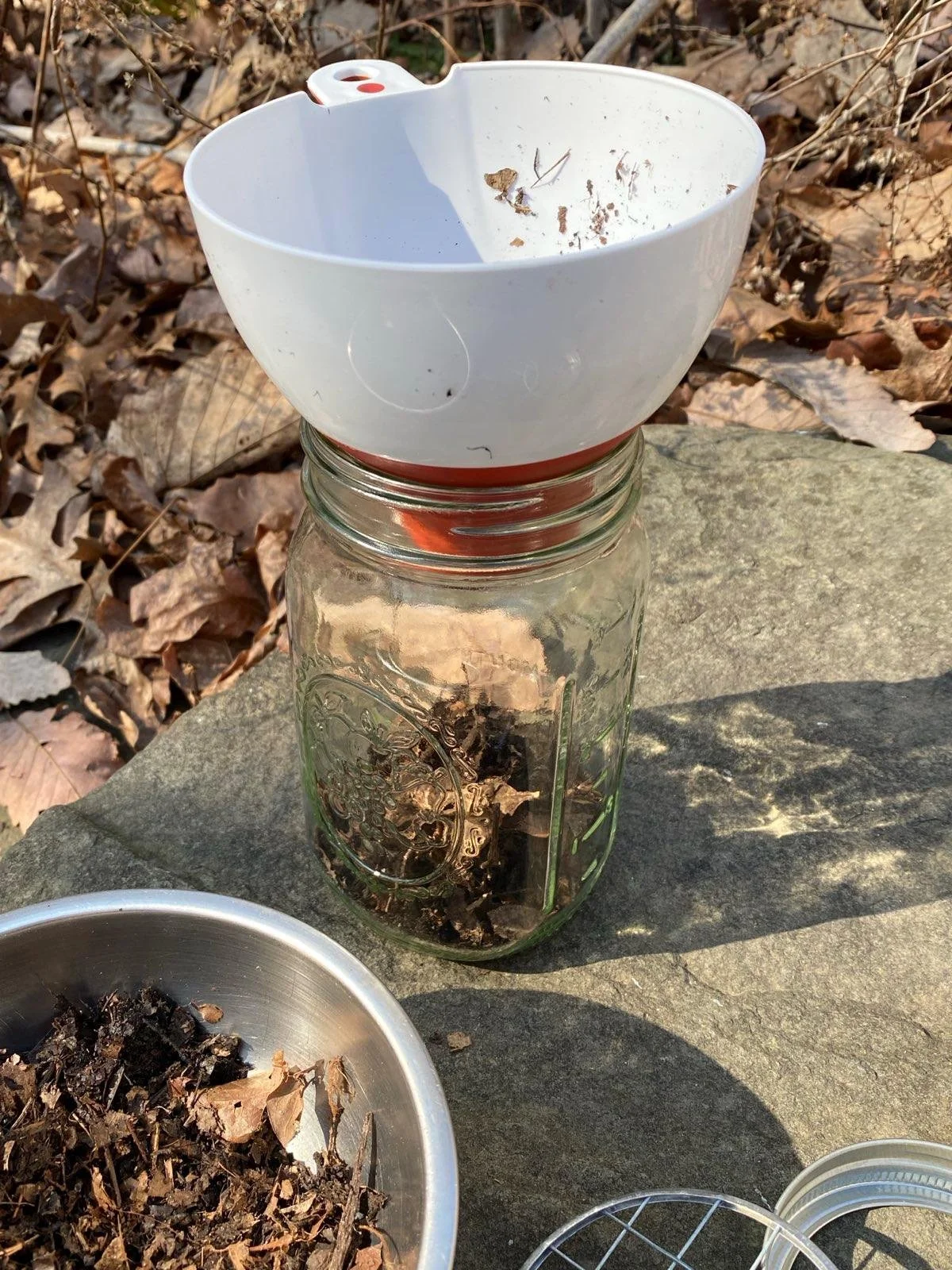
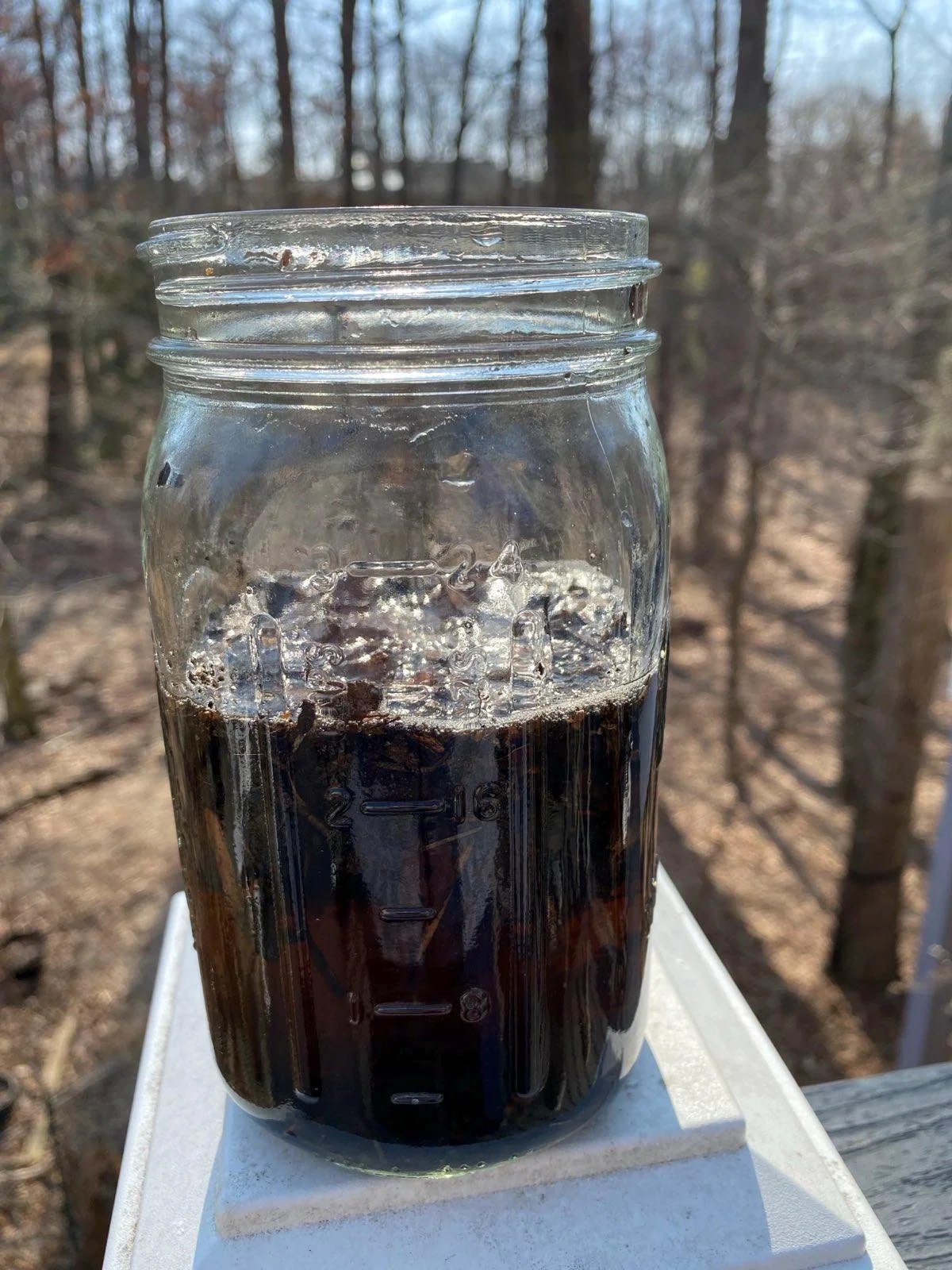
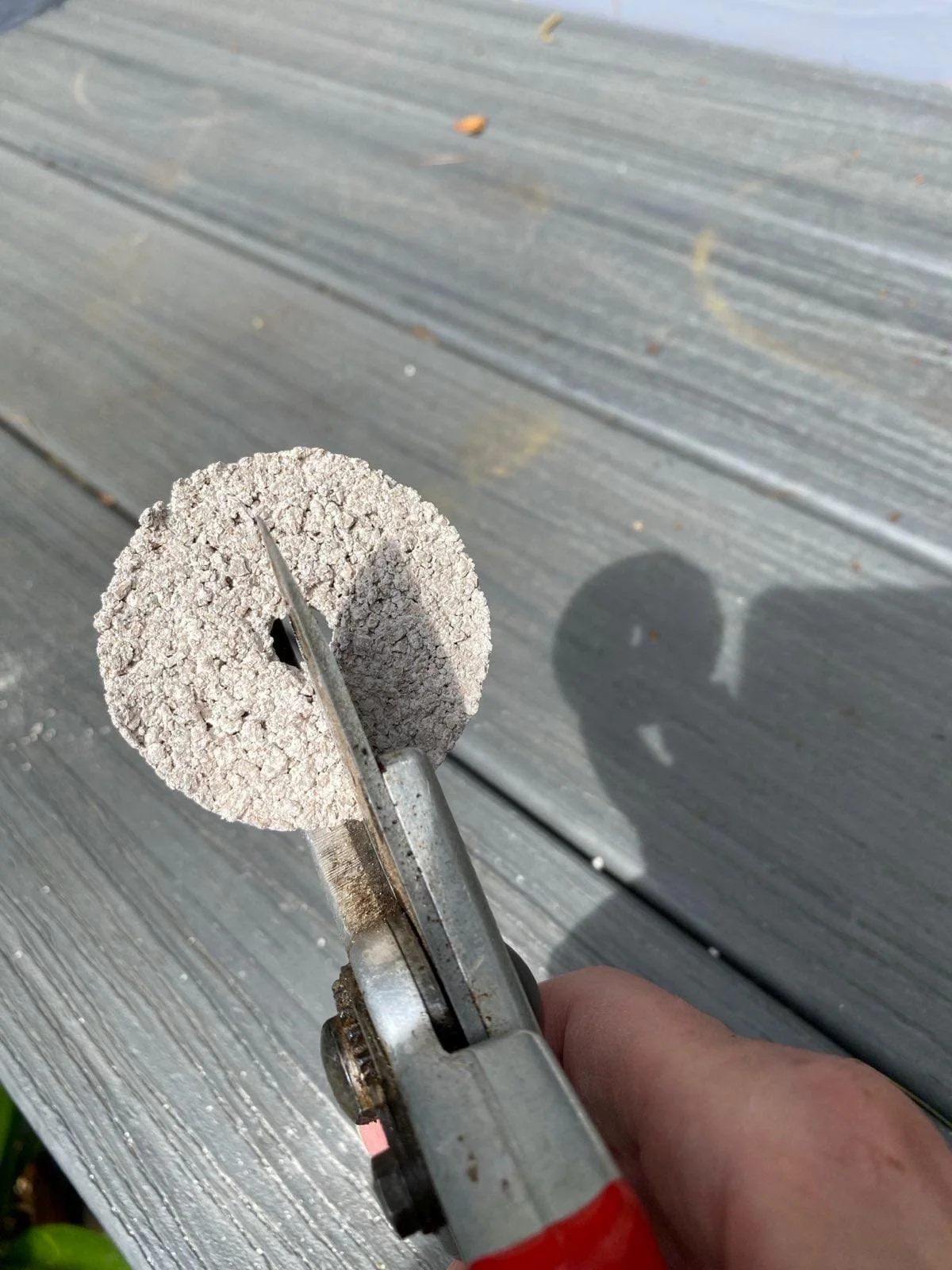
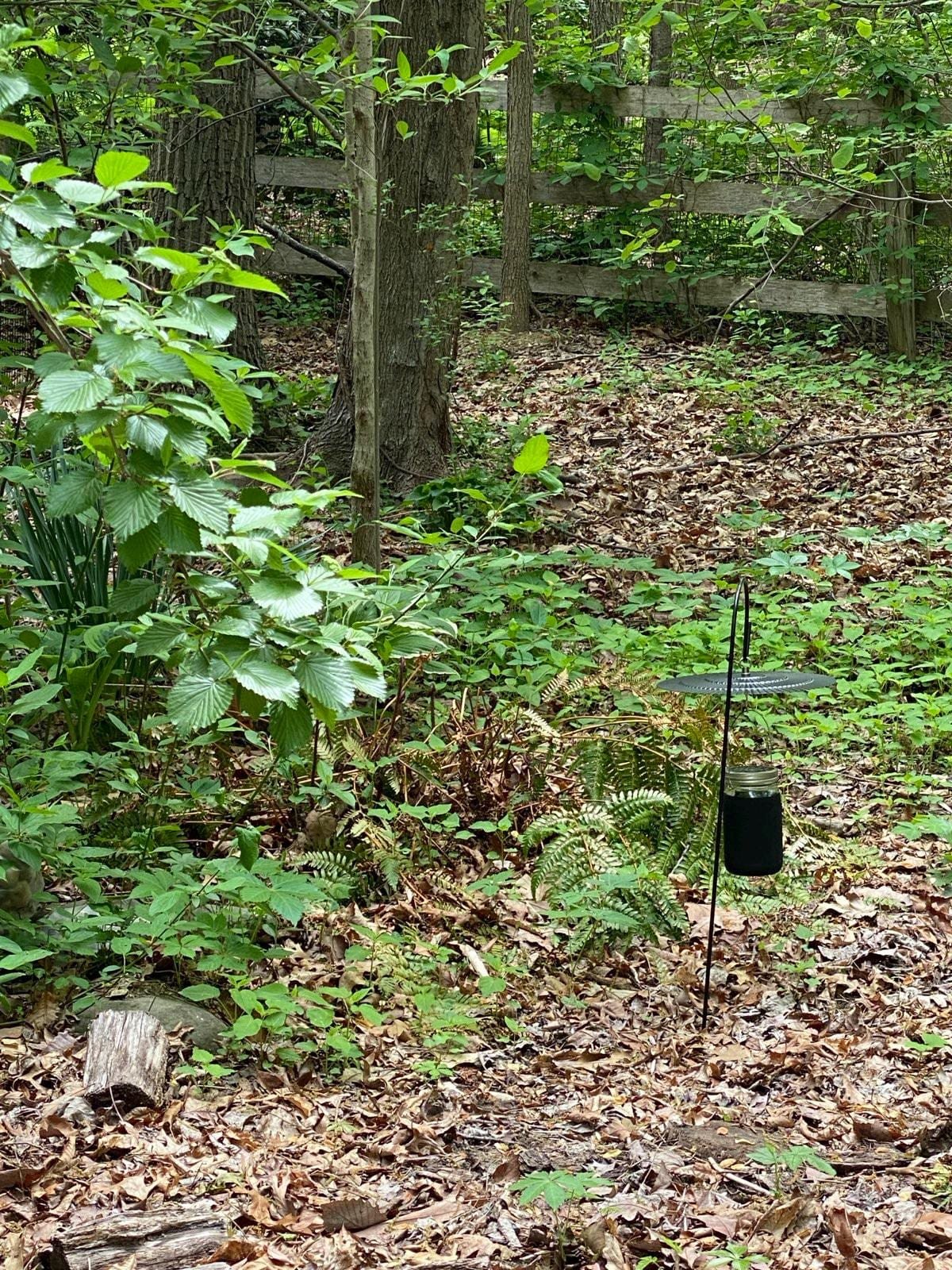
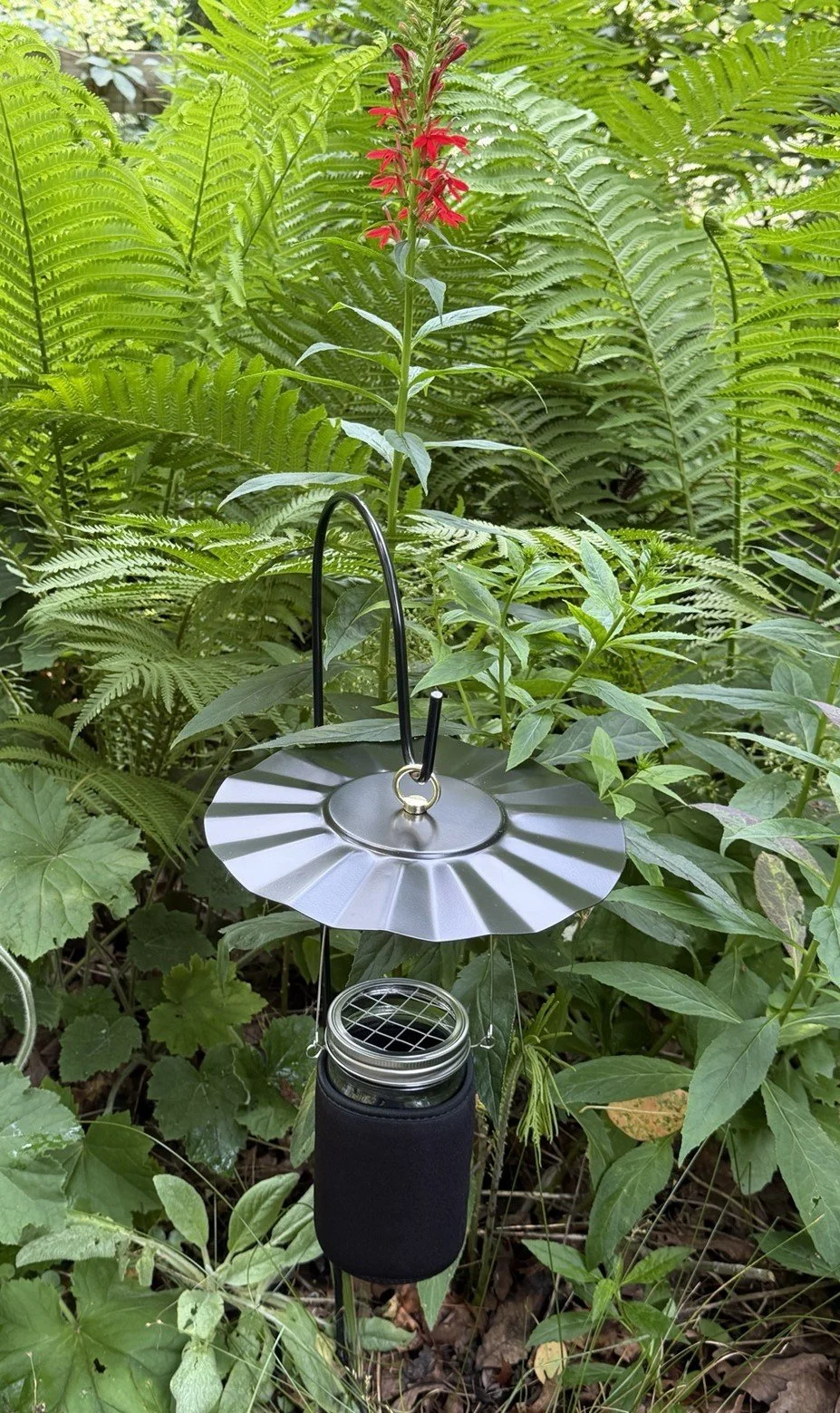
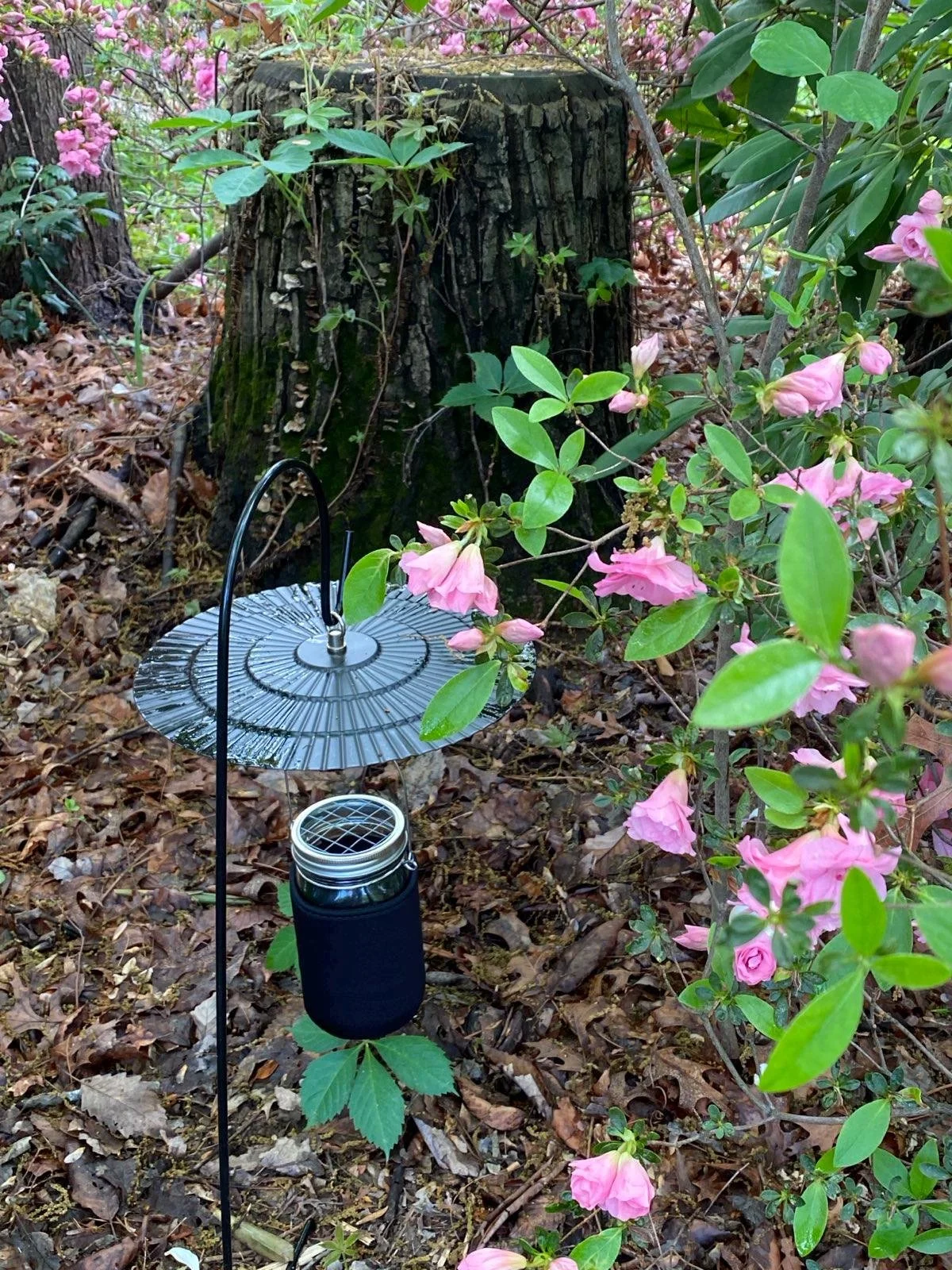
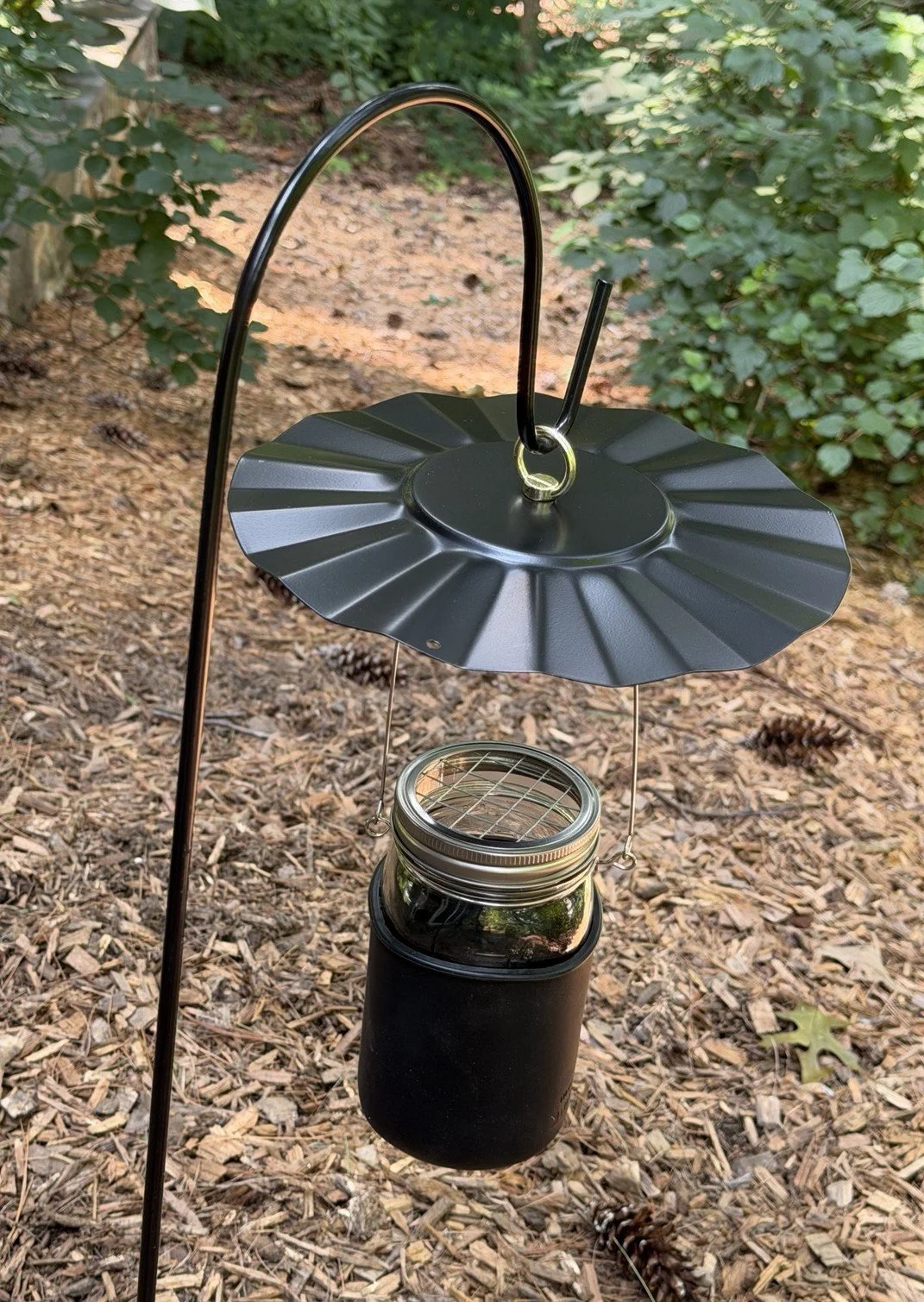
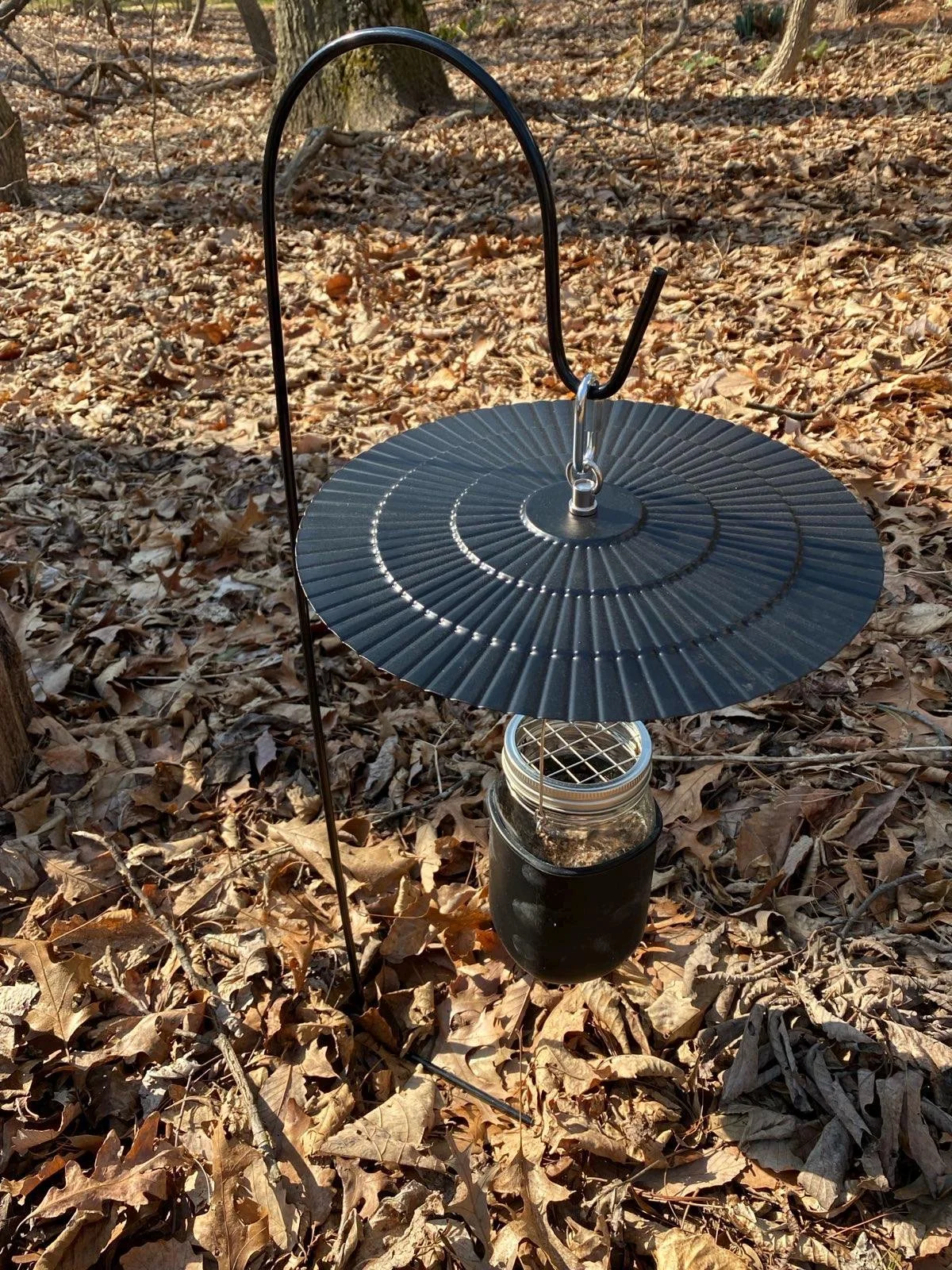
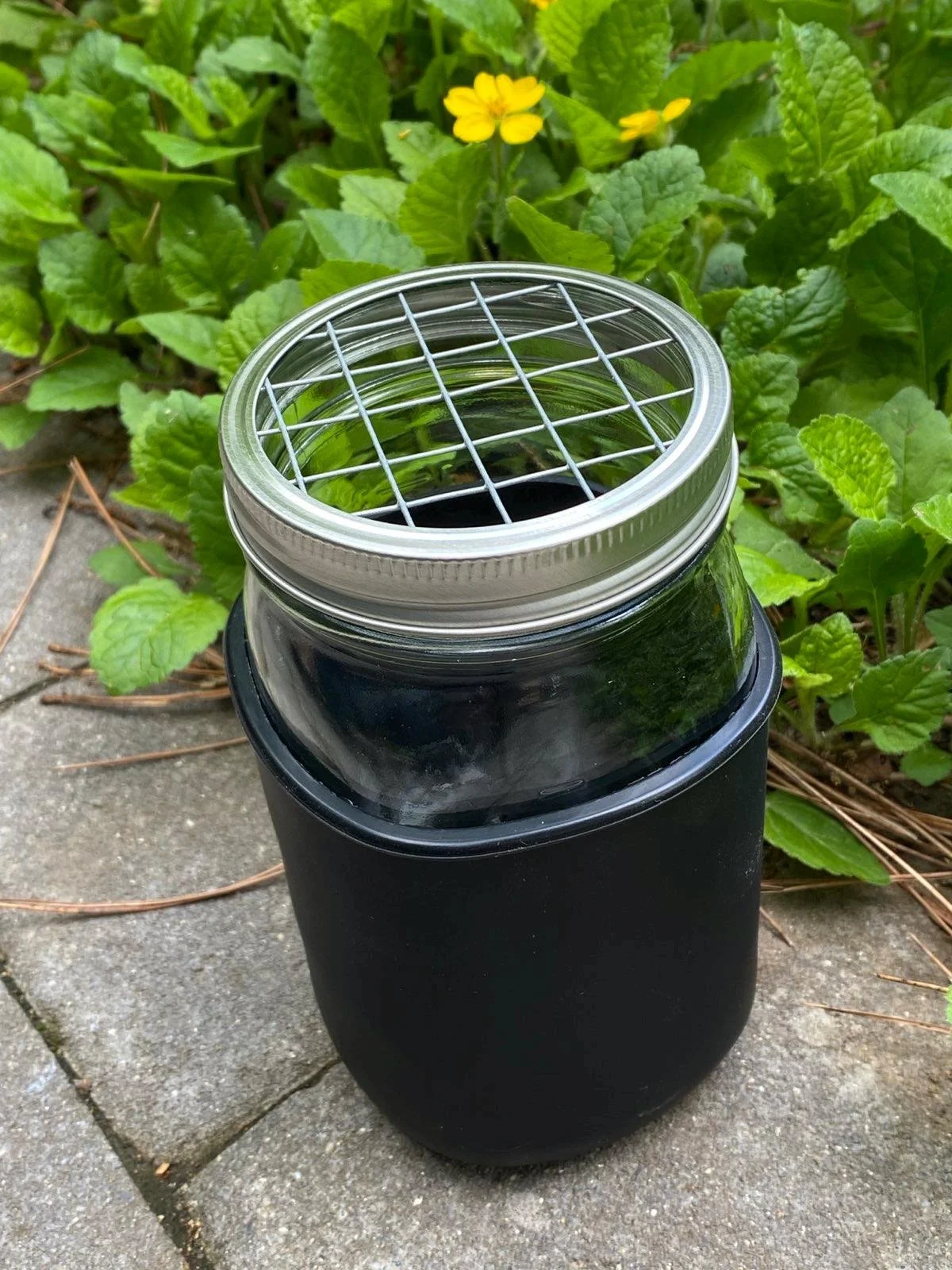
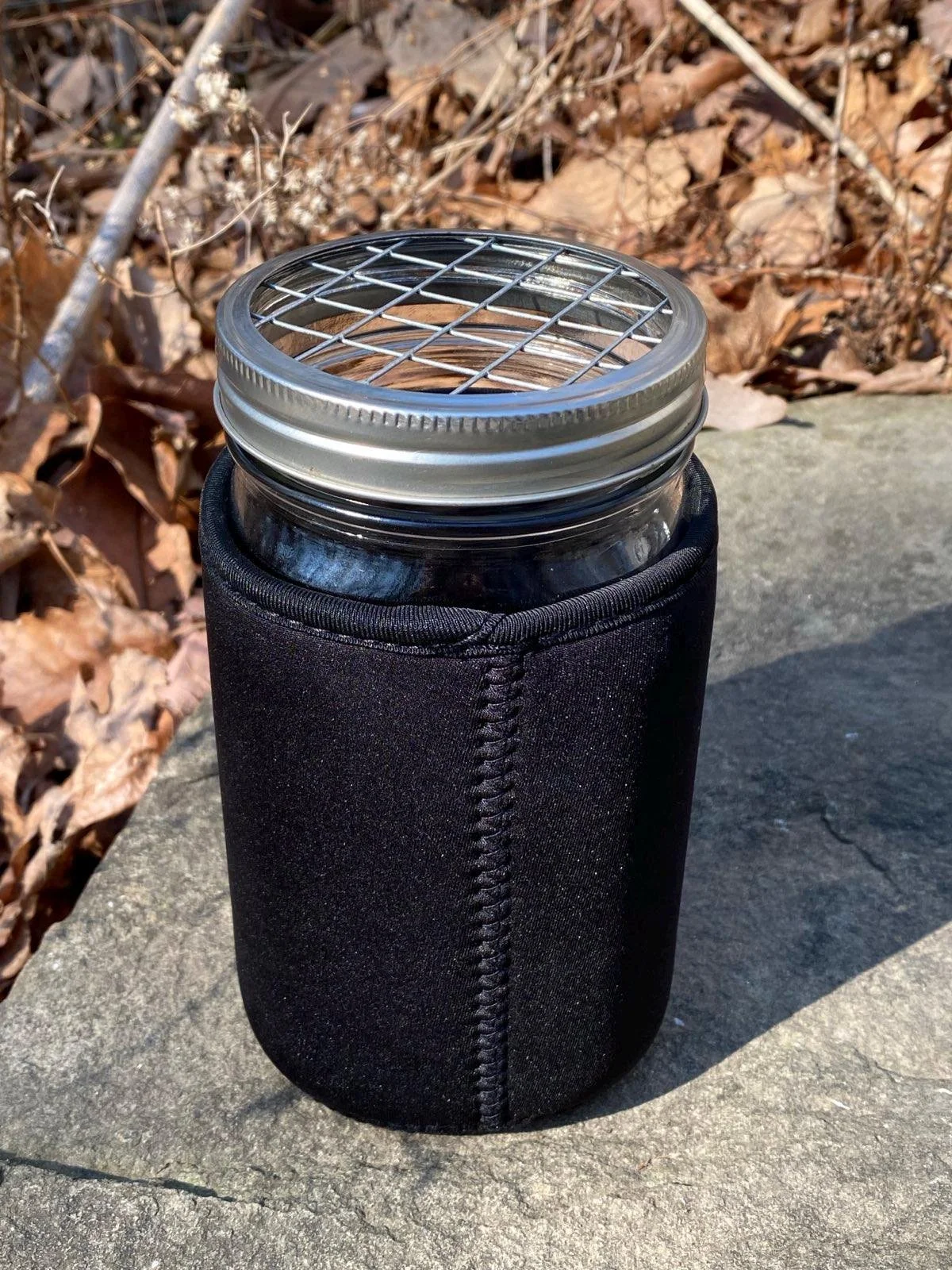
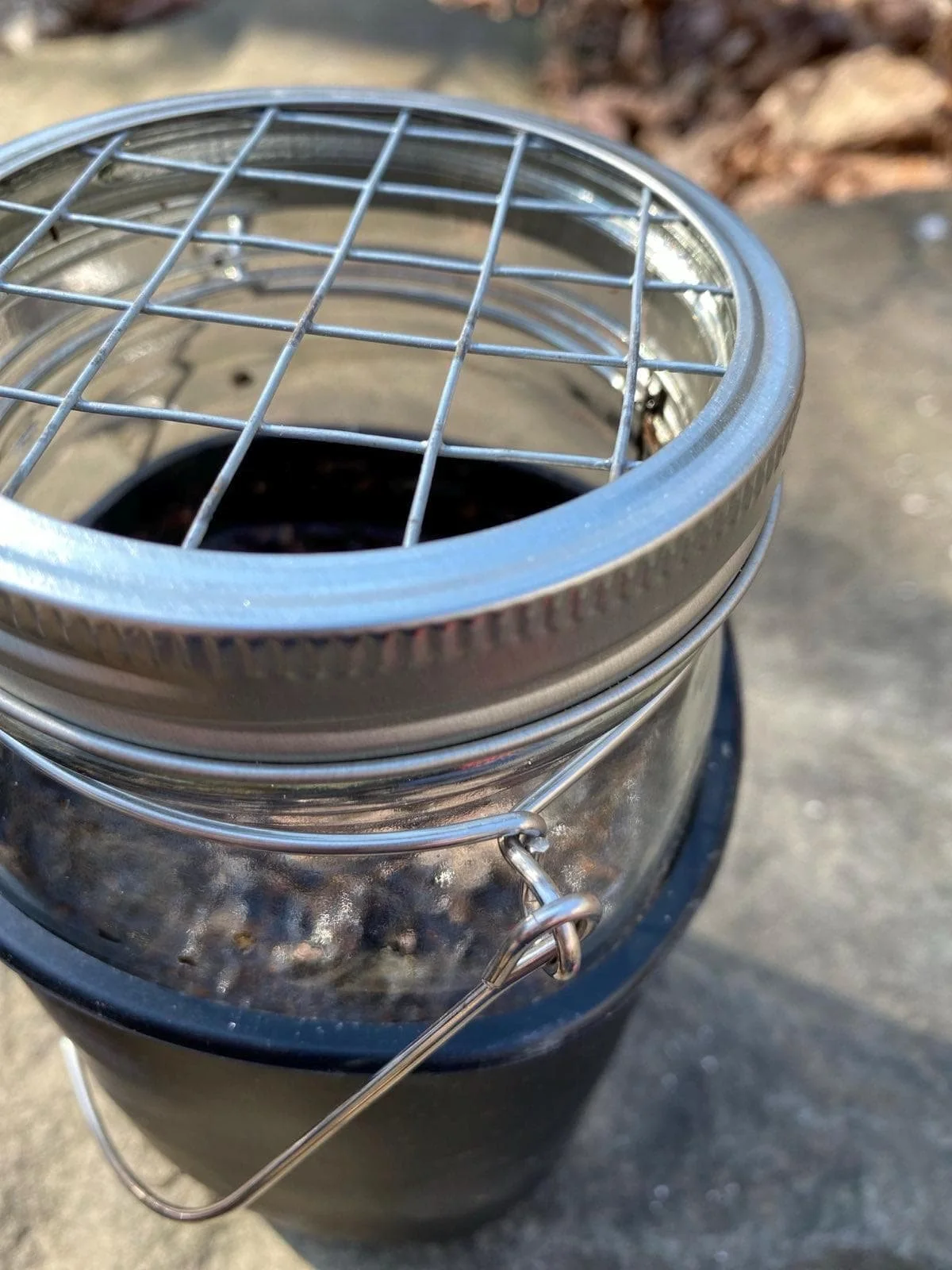
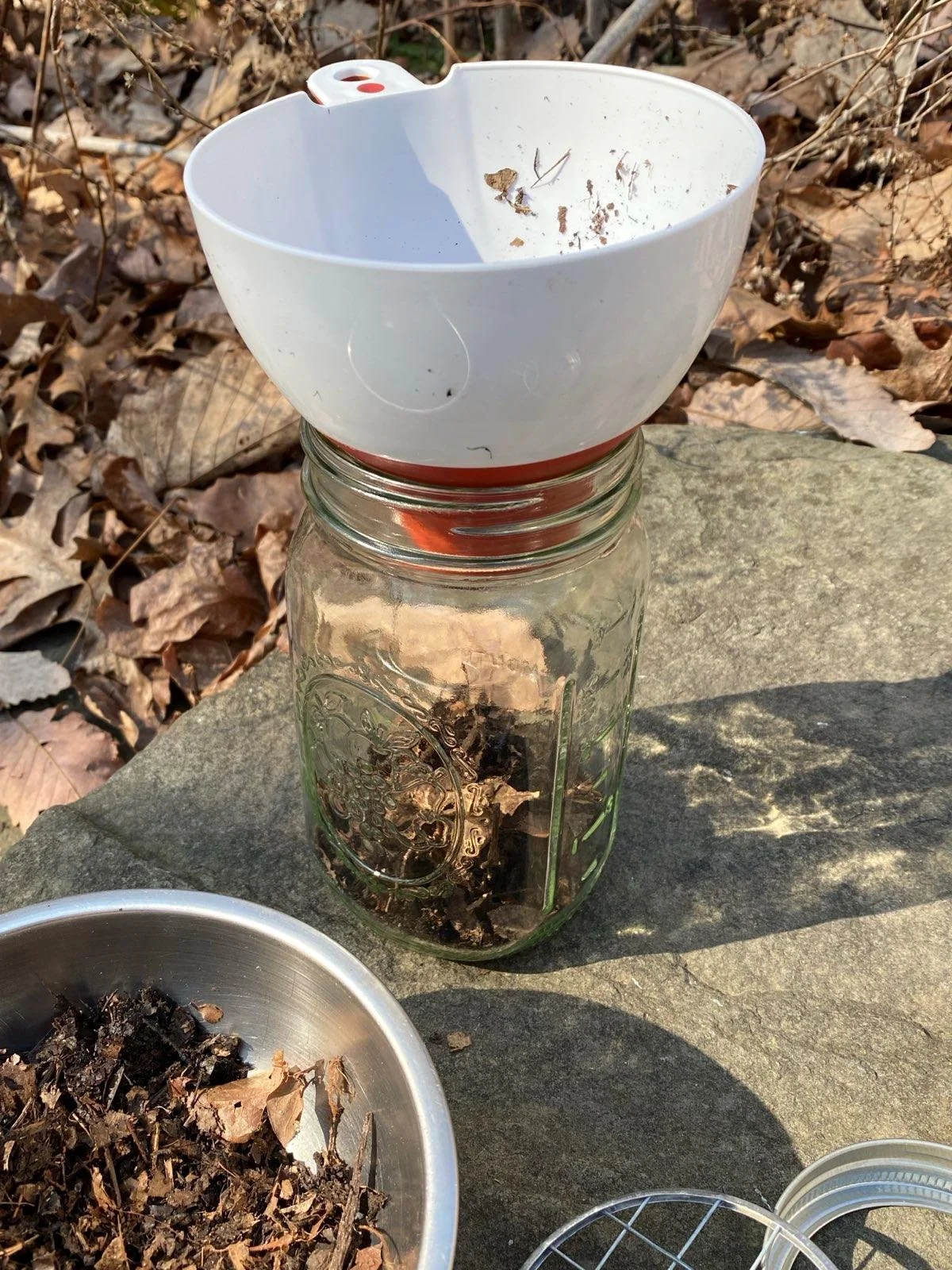
Master Mosquito Season with Mosquito Jill - Mosquito Larvae Trap DIY (No Kit) Instructions - PDF Download Only
What's included:
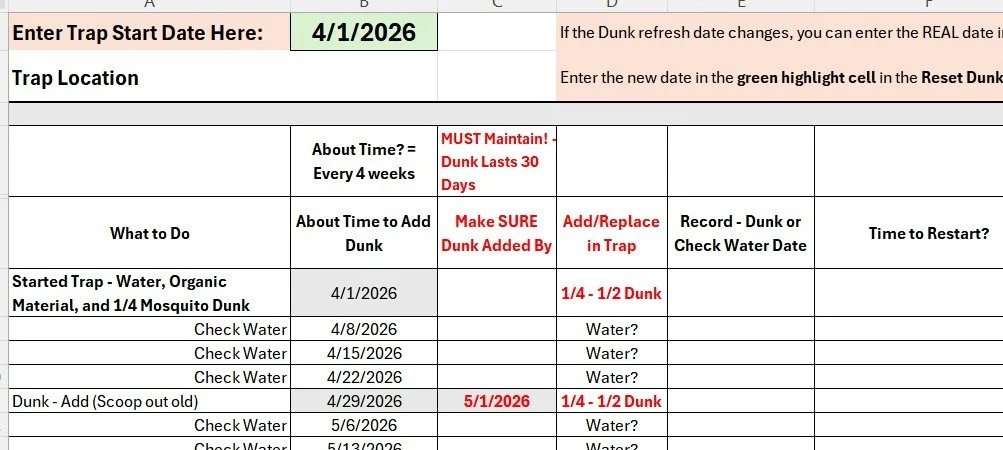
• When to Use
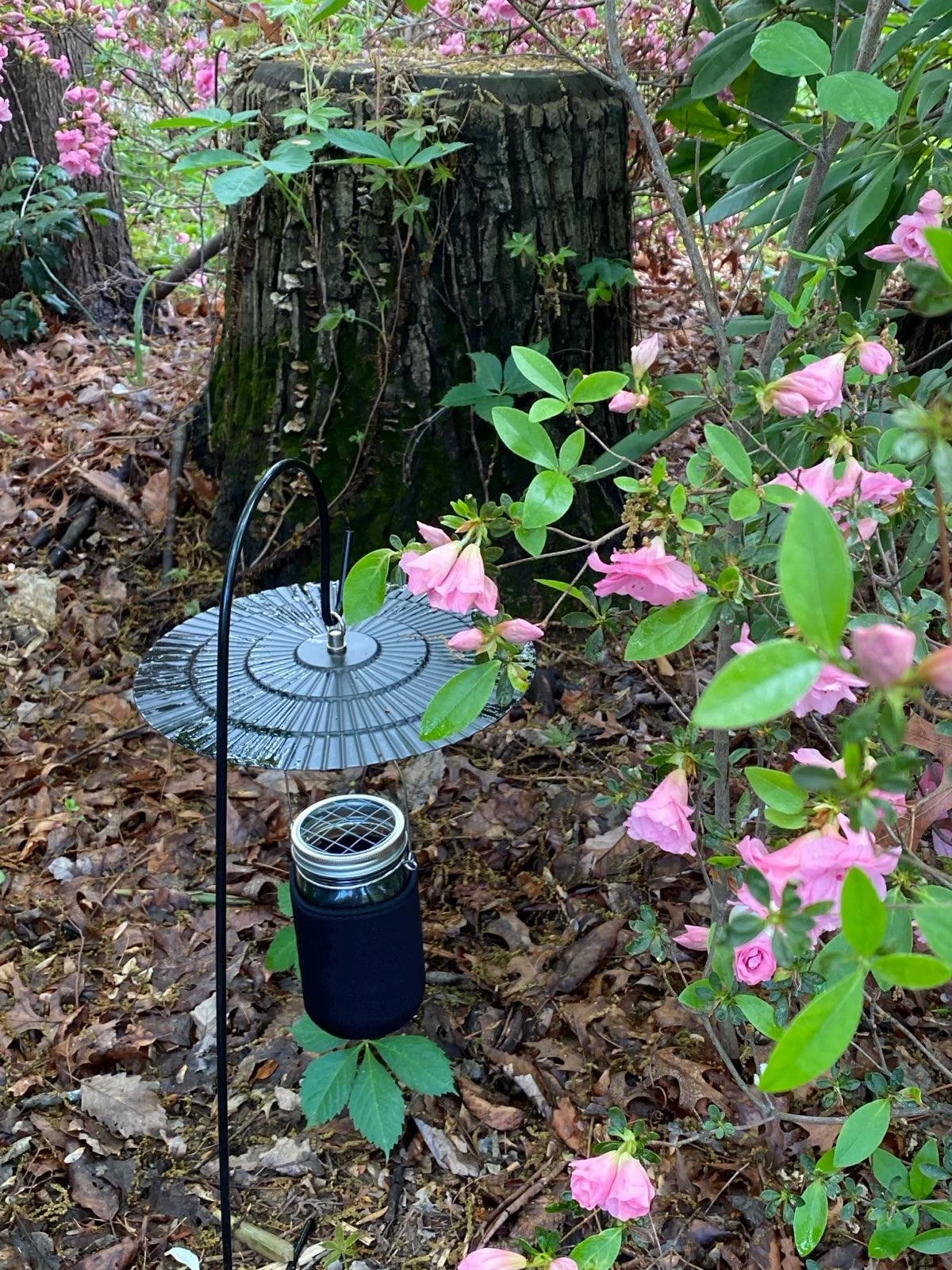
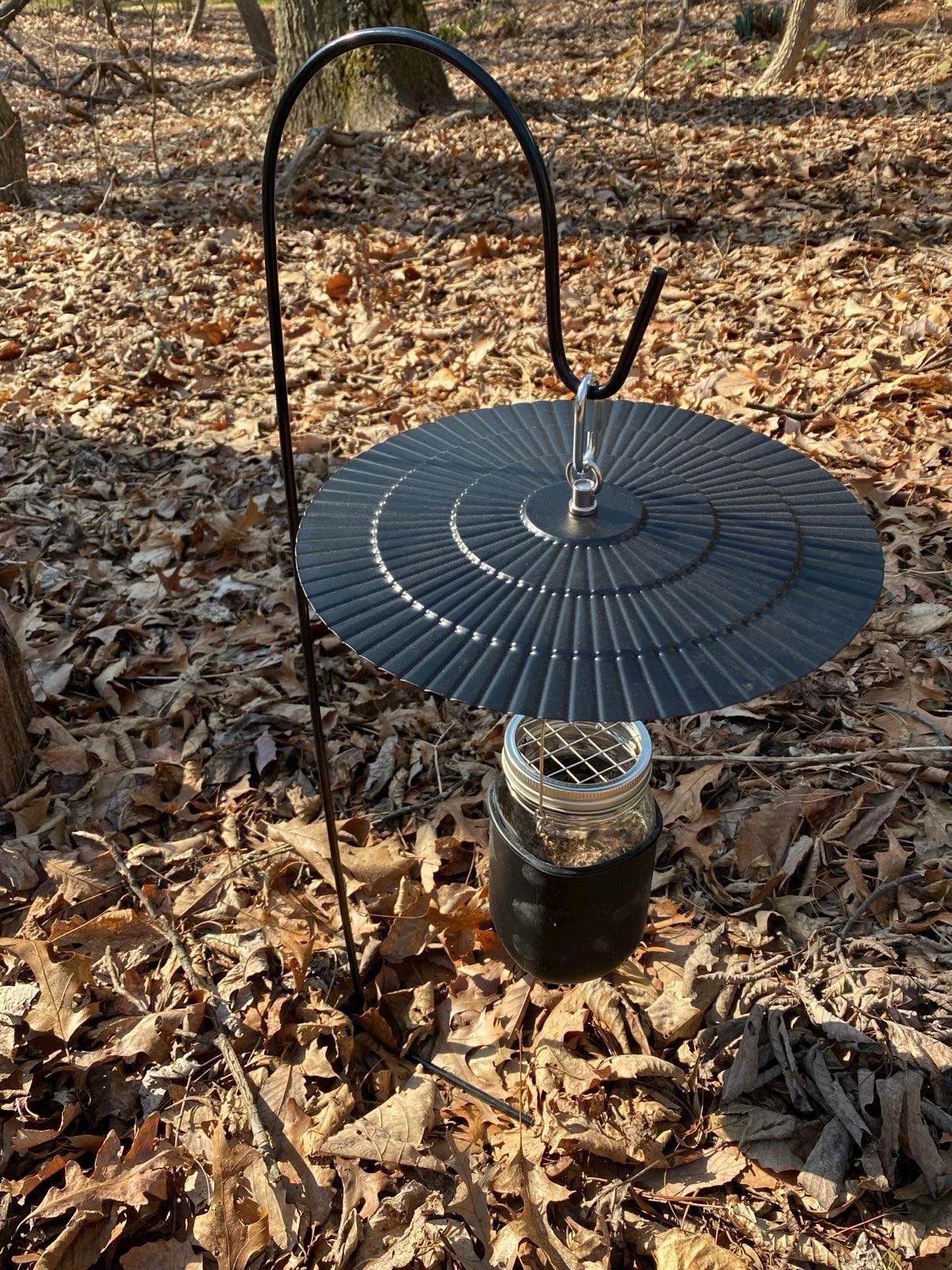
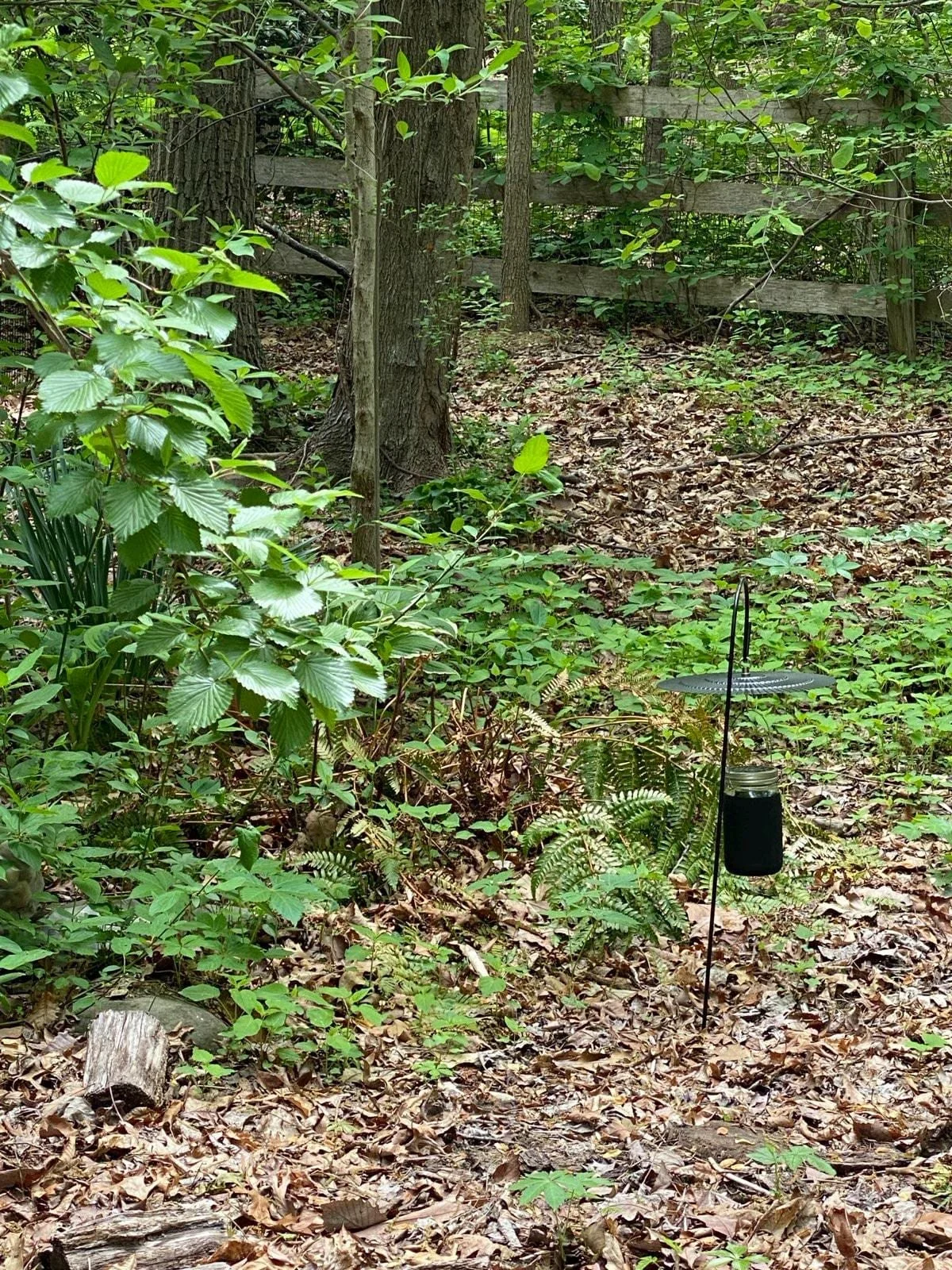
• Where to Place
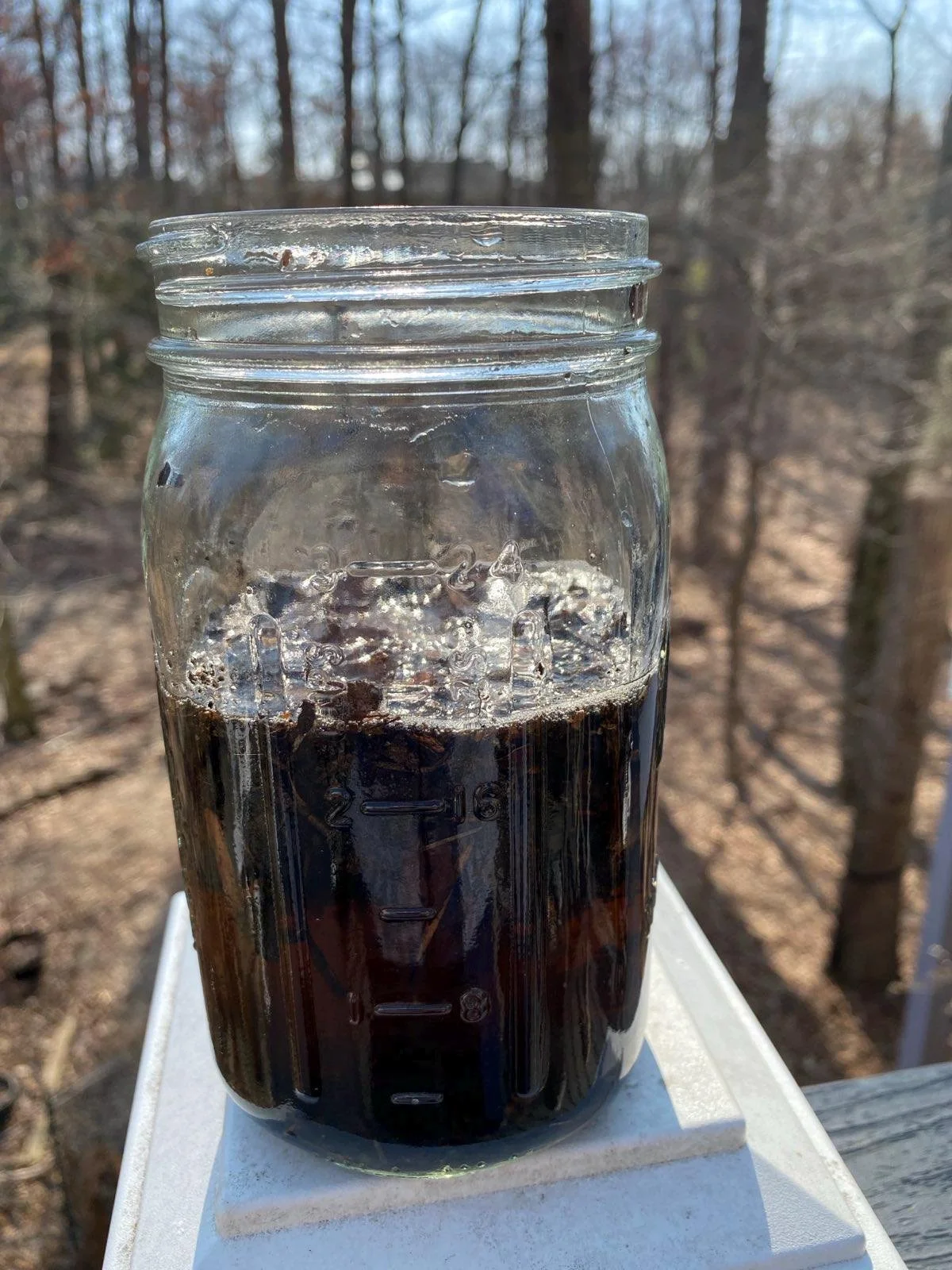
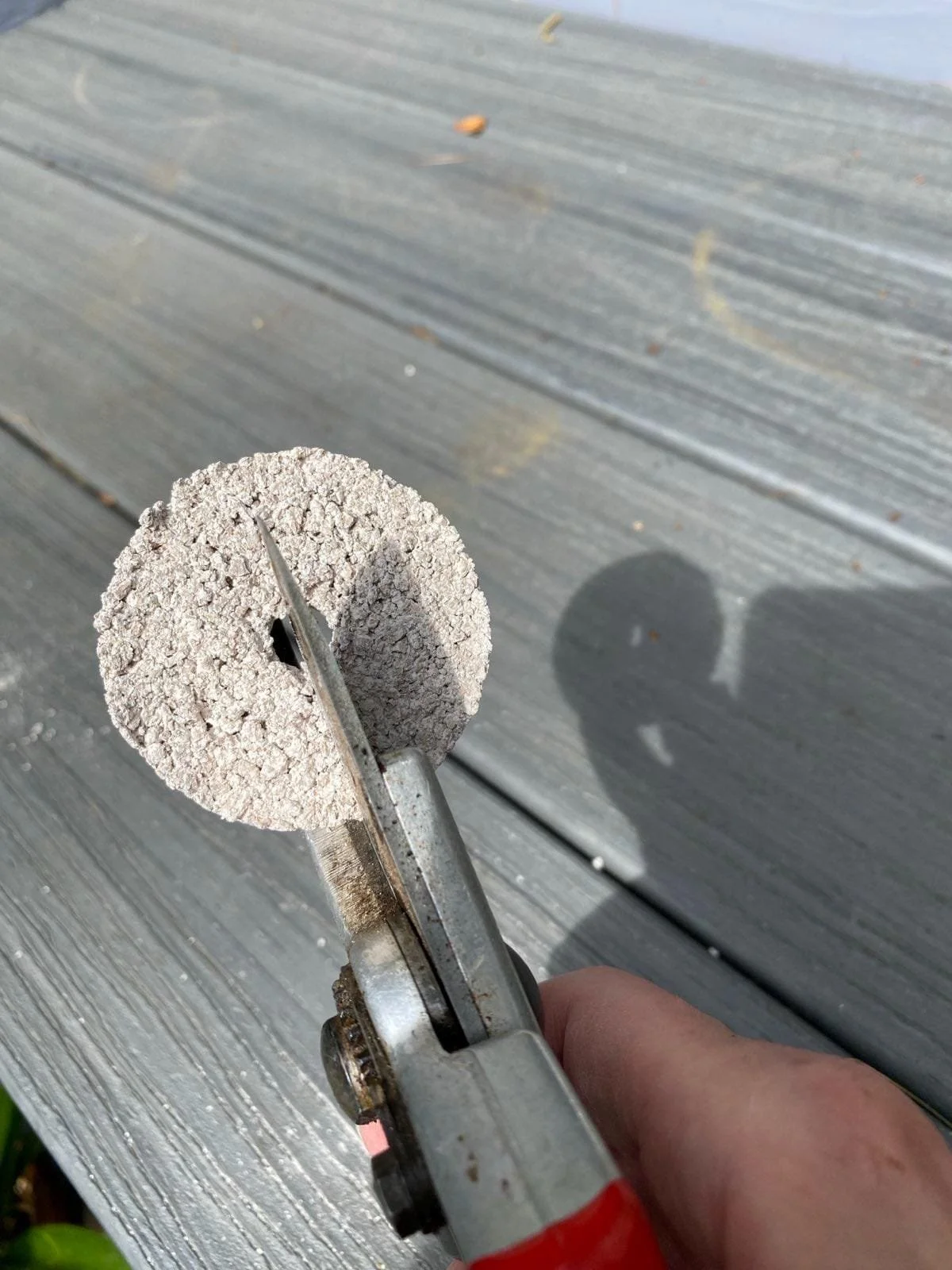
• What’s Needed
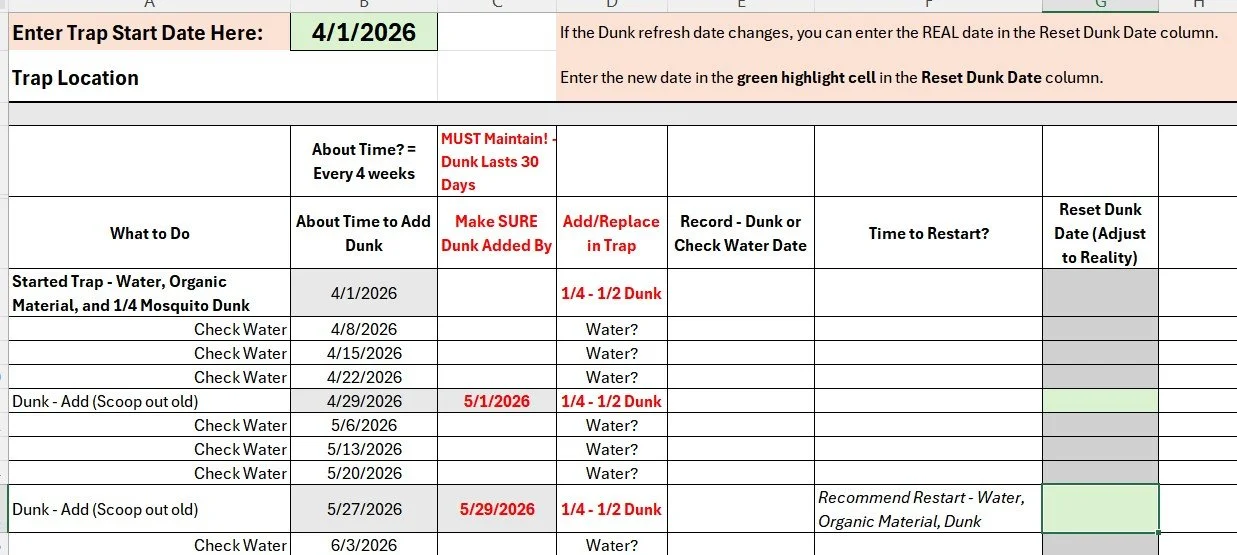
• How to Setup
• Seasonal Maintenance
• Lessons Learned and Managing Standing Water Tips
• Terms and Conditions
Stop the bite without the poison. Reclaim your backyard with a solution that is safe for the people and pets you love. Our Bti-powered traps target mosquitoes at the source—the water—before they ever take flight.
Why It’s Better Than Fogging
Traditional chemical fogging is a broad-spectrum "carpet bomb" that harms the very bees, butterflies, and fireflies we want to protect. Research shows that typical fogging occurs 11 times a season, while EPA safety data was often based on just one spray per year.
Fogging chemicals harm the insects as well as the critters that rely on them as food. Birds rely heavily on insects to feed their young. Insects provide many environmental services and harming them takes a heavy toll on our shared environment.
The fog only affects adult mosquitoes (and other creatures) that are physically touched by the droplets. It does not affect eggs or larvae hidden in water. With this "knockdown" rate so low (the scientific estimate is 10–30%), the surviving 70–90% continue to breed, and new adults from neighboring properties often migrate back into the treated yard within 24 to 48 hours.
• Safe for Pollinators: Targeted at mosquito larvae as well as black fly, and fungus gnat larvae (members of the Dipthera family) when they eat it.
• Safe for Pets & Wildlife: Designed for yards where dogs, birds, and children play.
• Scientifically Backed: Based on the research of entomologist Dr. Doug Tallamy and the Northern Virginia Bird Alliance.
Learn more here: www.nvbirdalliance.org/wsp/pesticides
No results match your search. Try removing a few filters.
