Frequently Asked Questions
The Mosquito Lifecycle & How Larvae Traps Work
-
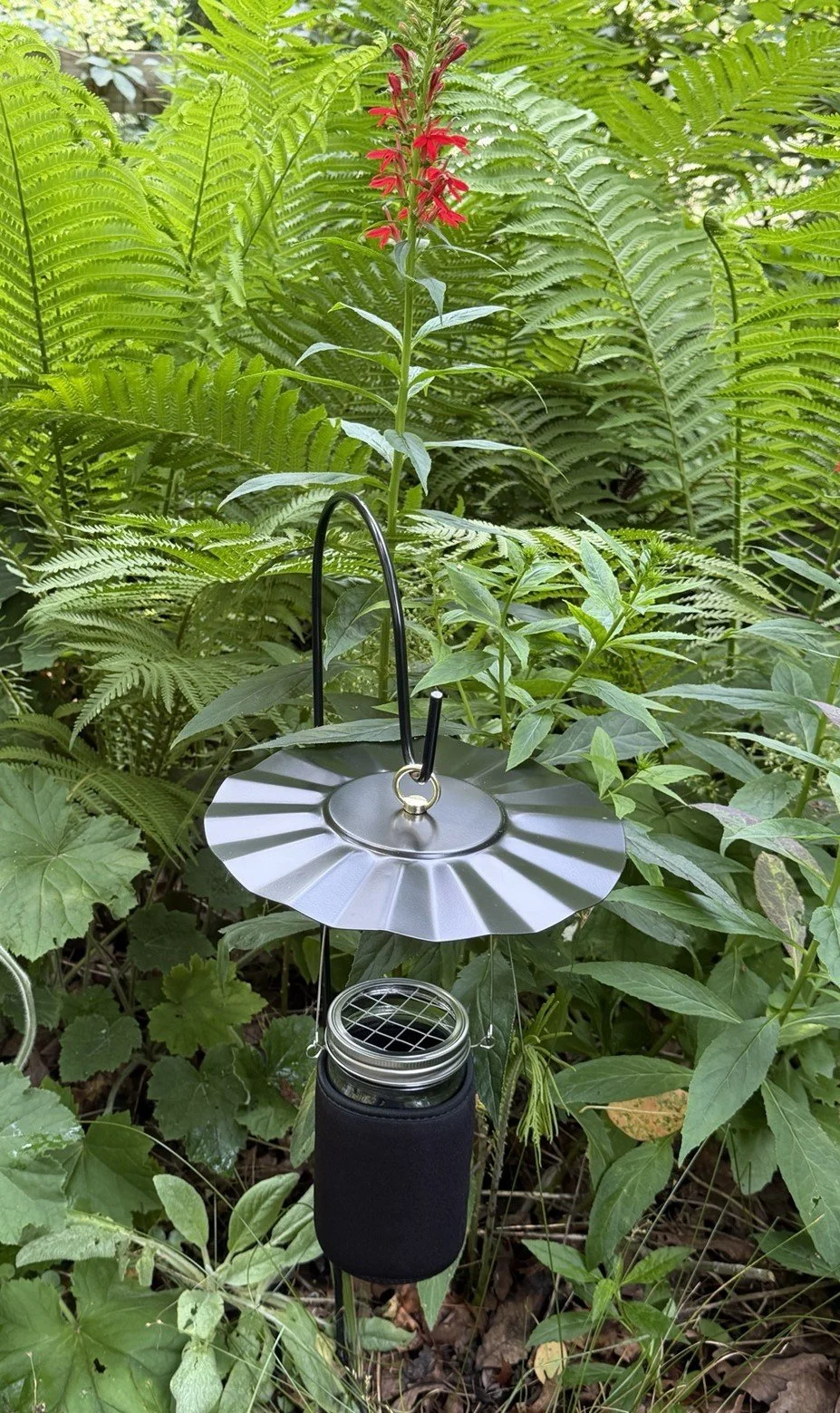
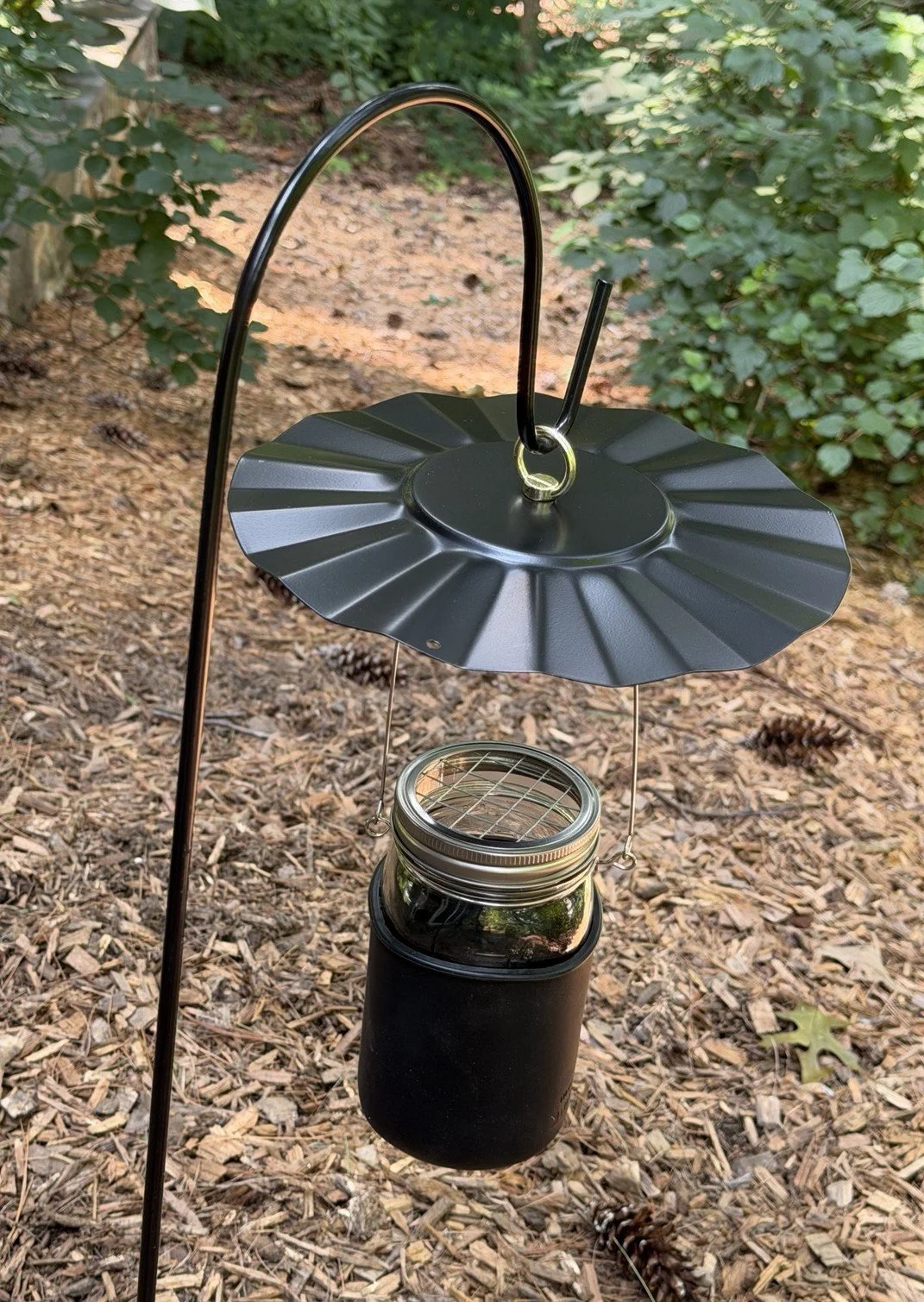
It’s a completely logical question, but here is the secret: our traps are a genetic dead end for the breeding cycle. They act as an "ecological sink" or a classic bait-and-switch.
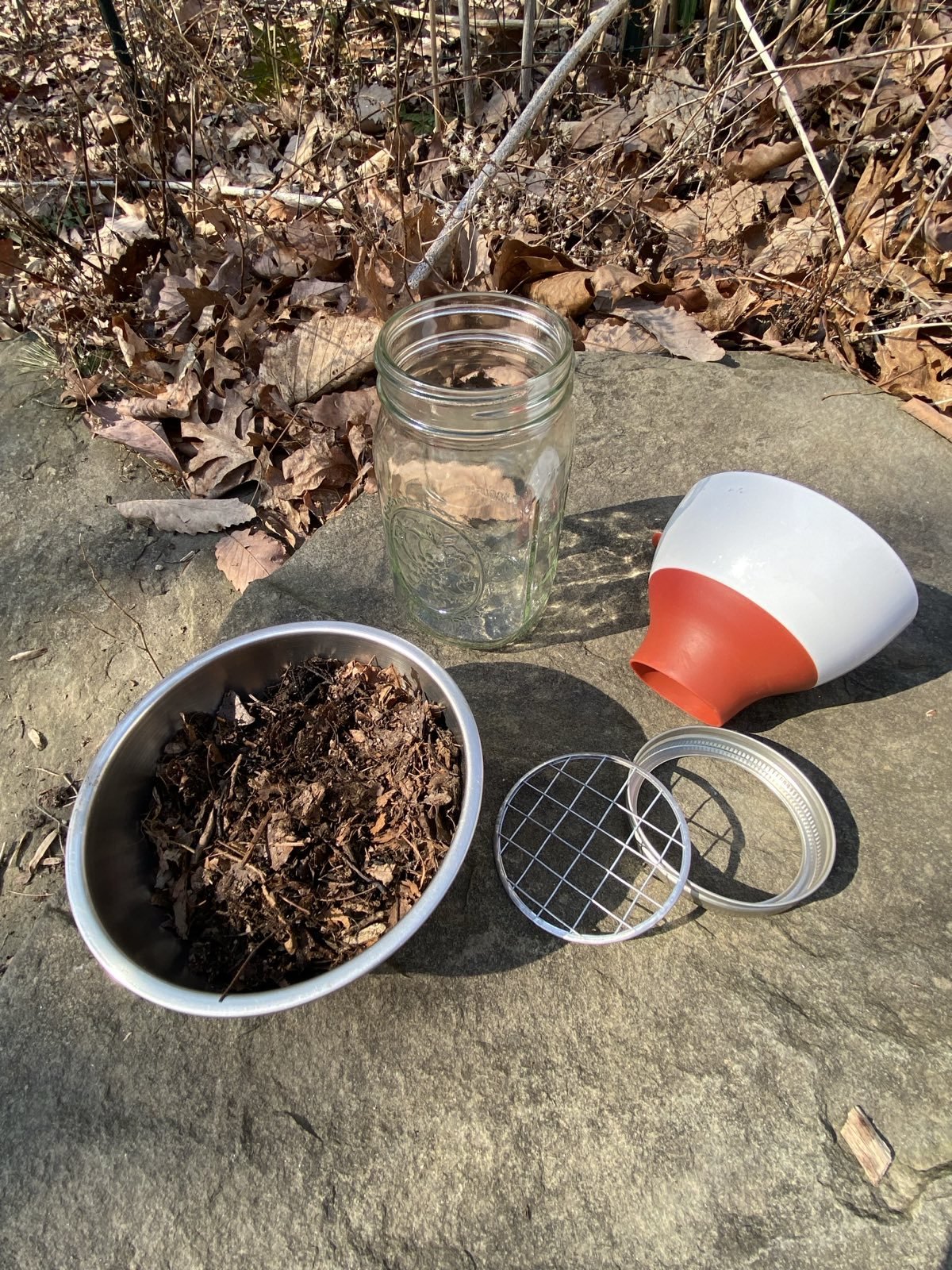
The stagnant water mixed with the organic material bait mimics the absolute perfect, safe nursery for a female mosquito. Attracted by the scent, she lays her eggs inside. However, the trap contains Bti (Bacillus thuringiensis israelensis), a naturally occurring soil bacterium. When the microscopic larvae hatch and feed, the Bti specifically targets and disrupts their digestive system, safely eliminating them before they can ever grow wings. Mosquito larvae hatch, but they never fly out.
-
Shockingly little. The invasive Asian Tiger mosquito (Aedes albopictus)—the primary black-and-white striped pest buzzing around Northern Virginia backyards—is a container breeder. It doesn't need a massive swamp or a pond; it can successfully lay dozens of eggs in as little as a bottle cap full of water.
Because they are so adapted to micro-spaces, the quart size jar is a compact trap with the conditions gravid female mosquitoes look for, outsmarting them right where they choose to breed.
-
Most mosquitoes stay within a few hundred yards of their breeding area. So eliminating successful breeding areas helps you and your neighbors.
Tell me about Commercial Fogging, Isn’t that natural?
-
This is one of the biggest marketing myths in lawn care today. While these sprays (synthetic pyrethroids) are chemically modeled after a property found in chrysanthemums, they are heavily manufactured to be highly concentrated and long-lasting.
The kill rate for the target adult mosquito is estimated to be 10% to 30%. Not wonder they have to fog again and again during the season. In Northern Virginia, most companies fog every 3 weeks from April to November.
More importantly, they are broad-spectrum insecticides. They cannot tell the difference between a mosquito, a monarch caterpillar, a native bumblebee, a lightning bug, or a predatory dragonfly. When a yard is fogged, it creates a blanket toxicity zone that wipes out the entire local insect ecosystem, not just the pests.
-
It comes down to a major disconnect between a chemical’s legal "on-label" instructions and how it is actually applied "off-label" in real-world backyards.
The primary chemicals used in commercial mosquito fogging are pyrethroids. By federal law, all pesticide labels carry explicit, legally binding instructions. Because pyrethroids are highly toxic to pollinators, the official EPA-approved labels strictly state that these products cannot be applied while bees are actively foraging or when flowering plants are in bloom.
Unfortunately, commercial fogging companies routinely violate the spirit—and often the letter—of these protective regulations through common "off-label" practices:
Blended Wind and "Drift": Labels strictly regulate wind speeds during application to prevent the chemical from drifting off-target. In tight suburban plots, the ultra-low volume (ULV) fine mists used by commercial backpack foggers inevitably drift onto neighboring properties, vegetable gardens, and nearby waterways.
Runoff via Impervious Surfaces: Pyrethroids are highly toxic to aquatic life and do not dissolve in water. NVBA research highlights that spraying them near driveways, sidewalks, or patios causes the toxic chemical residue to wash directly into storm drains during the next rain event, poisoning local stream sediments.
Improper Timing on Flowering Plants: To maximize profits, commercial trucks run tight daily schedules. Technicians frequently spray yards mid-day when native bees are actively foraging, and they routinely blanket blooming shrubs, English ivy, and pollinator-friendly flowers where beneficial insects live.
When a company prioritizes a fast, blanket application over strict adherence to environmental safeguards, they are using these chemicals in a way the EPA never intended.
Targeted larvicide removes human error and corporate shortcuts from the equation entirely—safeguarding our local food web without the legal and environmental risks.
-
A fogging company advertisement for zip code 20194 (Reston, VA) states that 12 weeks of treatment costs $329 for a half acre or less property. For spraying every 3 weeks from April to November 2025, my calculations come up with about $900 (if they prorate the last 12 weeks).
For mosquito larvae traps, once you have the Mosquito Jill kit (or using a large bucket trap), your yearly investment is purchasing the Mosquito Dunks for the season you add water, organic material, and minimal maintenance time.
Mosquito Dunks can be as inexpensive as $1 each in bulk and you use ¼ to ½ a Dunk in a jar or bucket and change out approximately every 4 weeks.
Larvae traps are more effective, less expensive, and non-toxic.
-
Through the food web! We work closely with the philosophies of the Northern Virginia Bird Alliance and Dr. Doug Tallamy’s Homegrown National Park movement, which highlight a startling fact: 96% of our land birds rely entirely on insects and caterpillars to feed their babies.
Did you know? A single pair of tiny Carolina Chickadees must catch between 6,000 and 9,000 caterpillars to raise just one clutch of nestlings to fledging age.
When a property is routinely fogged with chemical pesticides, that critical food source vanishes. By spraying for mosquitoes, we are unintentionally starving our backyard birds. Choosing a targeted larvicide trap keeps the food web intact.
Managing standing water is critical, whether fogging or using larvae traps.
How do I that?
-
Because container-breeding mosquitoes need so little water, they hide in places we easily overlook. If you are still seeing adult mosquitoes, grab a flashlight and check these sneaky neighborhood culprits:
Corrugated Downspout Extensions: The flexible plastic ridges in downspout extenders hold tiny pockets of water after every rain, creating a perfect hidden mosquito paradise.
Plant Saucers: The plastic dishes under outdoor potted plants. Use pot feet instead.
Clogged Gutters: Decaying leaves mixed with trapped water create an irresistible scent for breeding females.
Tarps & Toys: Folds in grill covers, tarps over woodpiles, or upside-down kids' toys left in the grass.
-
While community action is always the gold standard, you absolutely do not have to wait for your neighbors to get on board to see a difference.
The invasive mosquitoes plaguing our patios have a very short flight range—usually staying within 100 to 300 feet of the container where they hatched. They are homebodies! By placing larvae traps on your property and keeping your own yard clear of standing water, you will aggressively crash the local population right where you live and play.
Protecting Yourself Effectively
-
Skip the expensive ultrasonic gadgets, wristbands, and citronella candles—science shows they rarely work. Instead, flip on a simple outdoor oscillating fan.
Mosquitoes are incredibly weak fliers, usually maxing out at a speed of about 1 to 1.5 mph. A steady, gentle breeze from a household fan completely disrupts their flight path. Furthermore, the moving air disperses the carbon dioxide and body heat you naturally exhale, making it much harder for them to track you down in the first place.
-
If you want excellent, field-tested protection without the greasy feel or harsh chemical smell of traditional DEET, the CDC and EPA highly recommend two superb botanical and synthetic alternatives:
Picaridin: Formulated to mimic a compound found in pepper plants, it is virtually odorless, doesn't d
amage plastics or synthetic clothing, and is highly effective at repelling mosquitoes and ticks.
Oil of Lemon Eucalyptus (OLE): A plant-based derivative that provides long-lasting protection and is a fantastic natural option for adults and kids over three.